
Five Nights At Epsteins
Five Nights At Epsteins Mods Game

Sinner Maker
Sprunki Shifted Phase 3 Boxduds Take

Take Care Of Your Own Shadow Milk

Chiikawa Puzzle

Beepbox

Grow A Garden Calculator
Pips Nyt

Red Rush

Sprunki Vaporwave

Sprunki Vaporwave V2

Street Wheelie
Stardust

Golf Hit
Sprunki 1996 Like Human

Subway Clash Remastered

Tung Sahur Horror

Raven Star
Sprunked Final Version

Speed Stars

Poor Bunny

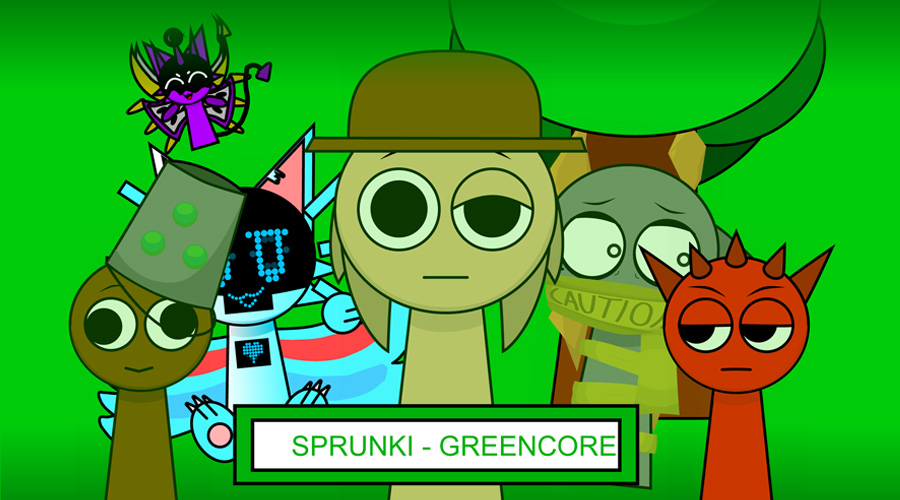
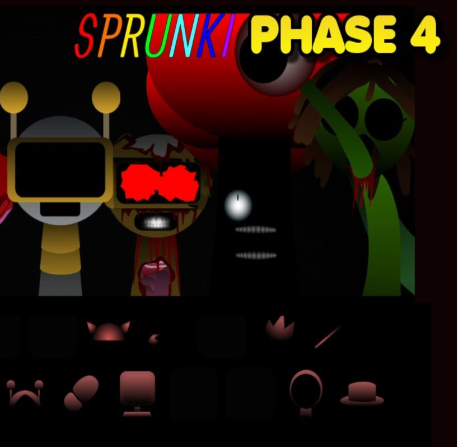

How To Play Five Nights At Epsteins
The central gameplay loop of Five Nights At Epsteins centers on a security station that includes a camera monitoring array, an air duct network, and a command interface. Players interact solely through mouse clicks or touch gestures—no keyboard commands are necessary. At the start, the player must browse through camera views by clicking or tapping on the display, searching for hostile figures that travel along predetermined paths. Each adversary exhibits distinct behavioral traits: some can be temporarily diverted by triggering audio decoys from the console, whereas others are unresponsive to sound-based tactics and demand direct action through ventilation controls.
The ventilation system serves as a vital protective barrier. When a hostile entity approaches the office, a cautionary signal activates, and the player must seal the relevant air duct to prevent entry. Nevertheless, ducts cannot remain closed for extended durations, as oxygen levels drop and lead to system breakdown. Opening a duct at the precise moment—when the danger has moved away or is occupied—restores proper air circulation. Furthermore, the command panel may experience random breakdowns, compelling the player to reboot subsystems by completing a straightforward repair puzzle. The main goal is to endure until assistance arrives, marked by a countdown timer or a sequence of in-game occurrences. To achieve success, players must monitor enemy movements across various camera pathways, prioritize threats based on their proximity and behavior, and manage ventilation cycles without causing oxygen depletion.
Five Nights At Epsteins Wiki
Summary
Five Nights At Epsteins is a 2026 independent surveillance horror and strategic game created by EvanProductions, built specifically for browser-based access through HTML5 technology. The experience places players into a high-pressure, time-sensitive situation where survival depends on careful camera observation, vent regulation, and instantaneous decisions. Within the context of an imminent rescue effort, the player must withstand progressively intense waves of dangers by monitoring hostile movements, overseeing system integrity, and employing audio decoys accurately. In contrast to conventional point-and-click horror games, this version highlights the need to handle multiple threats at once—requiring the user to balance various hazards that intensify as time decreases. The session is intentionally designed as a quick-round survival test, where each attempt lasts merely a few minutes yet requires relentless concentration. The game's immersive suspense, paired with its tactical intricacy, establishes it as a compelling choice for survival-horror fans who desire short, repeatable experiences without losing depth. Evaluate threats according to how close they are, manage the use of sound lures against the danger of system overload, and react swiftly because several risks may appear simultaneously. The game calls for fast analysis and implementation, since various dangers can come together at once.
Key Features
- Surveillance Horror Combined with Tactical Depth: The game blends classic camera-watching tension with complex resource management. Users must observe, anticipate, and neutralize threats rather than depend purely on quick responses.
- Accelerated Rounds: Each survival effort is brief, generally lasting just a few minutes, making the title suitable for short gameplay sessions. The rising speed sustains excitement without dragging on.
- Varied Threat Dynamics: Enemies display different behaviors—some are drawn to sound lures, others disregard them, and certain ones need direct vent adjustments. This diversity compels players to modify tactics on the fly.
- Vent and Oxygen Mechanism: Shutting vents blocks attacks but reduces oxygen; opening them restores airflow but brings back exposure to the office. Handling this balance is essential to staying alive.
- Camera Network and Audio Lures: The camera system monitors multiple pathways, and sound lures can steer some enemies away from the office. Overusing lures may attract other threats or lower system steadiness.
- System Restart Mechanics: Random failures of cameras or panels require fast fixes via a small puzzle, adding extra unpredictability and urgency.
- HTML5 Browser Compatibility: The game functions smoothly in current browsers without downloads or extensions, providing wide access across various devices.
- Simple Controls: Entirely mouse or tap-based interactions lower the entry barrier while maintaining complexity for experienced players.
- Strong Replay Value: With randomized enemy paths and system breakdowns, every session differs, promoting repeated attempts to master timing and action order.
Precautions/Tips
To improve survival odds, players should adopt several strategic rules. First, handling enemies before they arrive is more effective than reacting in panic. As soon as a threat appears on a distant monitor, use audio lures to send it along a longer path, gaining valuable time. Waiting until the enemy reaches the office window or vent often causes a chain of failures.
Second, remember which enemy does not respond to sound. The description clearly indicates that one threat is immune to audio lures and demands timely vent closure. Identify this creature early each round and prioritize tracking its location separately from others.
Third, avoid keeping vents shut longer than needed. Every moment a vent stays closed consumes oxygen, and if oxygen runs out, the game ends no matter where the enemy is. Open vents immediately after the current danger passes (for instance, after an enemy moves away or is distracted by a lure). A sound approach is to close the vent only when the threat is within one or two camera feeds of the office, then reopen once the threat has been lured elsewhere or has moved past.
Fourth, when several threats converge at once, address the hazard closest to ending the game. This means focusing on the enemy nearest to the office window or vent—whichever poses the most immediate fatal risk. Do not waste efforts on a far-off threat if a closer one is about to break in.
Finally, develop a consistent camera order to shorten reaction time. Instead of randomly selecting feeds, set a fixed sequence (for example, left cameras first, then right, then central) so you can quickly picture enemy positions in your mind. Over time, this repetition allows you to detect changes in threat locations within a second. Also, watch the system stability gauge; if cameras begin to flicker, prepare to restart the panel at once. With disciplined execution and calm prioritization, even the most chaotic rounds become controllable.
Five Nights At Epsteins Frequently Asked Questions
Q: What is Five Nights At Epsteins? A: It is an independent surveillance horror and strategy game set in 2026, created by EvanProductions. Built for browser platforms using HTML5, it forces players to endure demanding rounds of camera surveillance, vent regulation, and fast-paced choices as rescue gradually draws near.
Q: Who created the game? A: The game was produced by EvanProductions.
Q: When did the game become available? A: Its release occurred in 2026.
Q: On which platform can the game be accessed? A: The game functions on browser-based systems utilizing HTML5 technology.
Q: What are the control mechanisms for Five Nights At Epsteins? A: Players can employ a mouse or tap inputs to shift between cameras, deploy audio decoys to divert specific enemies, shut vents when strikes are imminent, reopen vents swiftly to preserve oxygen levels, and reboot systems from the control panel if cameras malfunction.
Q: What objective does the player have in the game? A: The player’s goal is to endure until help arrives, follow enemy movement along camera pathways, respond before threats approach the window or vents, manage audio usage alongside system reliability, and address multiple simultaneous dangers.
Q: What fast advice is available for playing Five Nights At Epsteins? A: Redirect enemies early rather than waiting for urgent situations; note that one adversary ignores audio cues and demands manual intervention; avoid sealing vents for prolonged periods; when overloaded, neutralize the threat most likely to end the run first; and rehearse camera sequence to enhance reaction time.
Q: Which categories and labels apply to the game? A: The game falls under Rhythm Games and Platform Game categories. Its tags include action, browser, Survival, and Horror.
Q: What occurs if the cameras stop working during a session? A: In the event of camera failure, the player can restart systems from the control panel.
Q: How does one handle enemies within the game? A: Use audio lures to steer specific foes away, close vents when strikes are incoming, and personally address the single threat that is immune to audio.
Q: Does the game feature a comments section? A: Yes, a comments area is provided for user feedback. For instance, one user stated "THIS GAME IS AWSOME," while another wrote "Good."
Q: Is the "Geometry Lite PC" website connected to any institutions? A: No, the site operates independently and holds no affiliation with any organizations, as declared in its disclaimer.
Q: Is it possible to share Five Nights At Epsteins with others? A: Yes, the site offers a "Spread the Fun, Share Five Nights At Epsteins with Friends!" option along with a copy link function.
Q: Which "New Noteworthy" titles are highlighted on the site? A: The site features "Crazy Shark" as an arcade survival experience and "Ice Baby Quest" as an amusing adventure maze game.
Q: Are there rules for submitting comments? A: Yes, users must confirm "I'd read and agree to the terms and conditions" before they can post a comment.